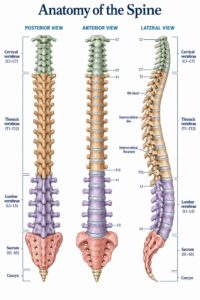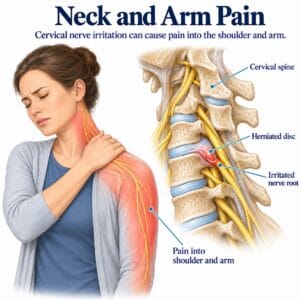
Chronic back pain is a condition that stems from various issues. Trauma, aging, sports-related damage, and abnormalities can lead to back pain. This condition also manifests differently among individuals and requires specialized treatments from various healthcare providers. If you’re suffering from back pain, you need all the information you can get to help you make a decision that improves your overall quality of life.
For example, you should know whether surgery is necessary, or if a non-surgical treatment will get you the results you need. In case you need an operation, would a traditional spine surgery be advisable, or would a minimally-invasive one be better? Most people do not know the differences among these treatments, and an orthopaedic surgeon would tell patients to be familiar with all options so they understand why their physician is advising one over another.
What to do before diagnosis
If you have undiagnosed pain or are experiencing related symptoms, you should first get an evaluation from a primary care practitioner. A person with chronic pain in their lower back or neck area, they would need to be observed over a period of time.
They would probably be advised to maintain physical activity—nothing too strenuous, but stable enough for exercising affected musculoskeletal groups. If the pain disappears on its own, then it might have been an isolated strain or another negligible ailment.
If the issue persists after exercise, topical ointments, or over-the-counter anti-inflammatories, it may be time to see a specialist. The best solutions to back pain are time and surgery; everything else is used to manage symptoms while the body heals itself.
Conservative methods of treatment
Some ways to help speed up the body’s healing are physical therapy, home exercises, medications, and even spinal injections. Most patients with spine issues can see significant improvements with conservative treatments. These treatments will need commitment, however, and patients should not expect results over only a few days or weeks.
Patients who have spinal cord problems or significant weakness in one limb might be recommended immediately for surgery. Those who have tried all their conservative options and had not seen improvement might also be referred to a surgeon.
Spinal surgery—what to expect
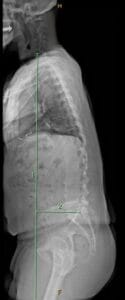
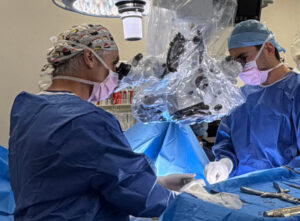
In traditional surgery, there is a complete exposure of the spine. For minimally invasive procedures, there is little visibility of the patient’s internal anatomy. Patients recover more easily with minimally-invasive surgery, and the results can be comparable to traditional kinds through the use of technology like CAT scans and 3D imaging.
Both types of surgery have one aim; that is, to see a good prognosis for the condition, or prevent degeneration altogether. Though controlled, surgery is still a form of trauma; as such, a spinal surgeon would want minimal blood loss, shorter hospital stays, and lower infection rates.
What to look for in a surgeon
Aside from the usual things expected of physicians—patient-centred, communicative, and competent, among others—a good surgeon should have expertise in risk management and pre- or post-operative care. An orthopaedic surgeon’s duties do not stop after the last procedure in the operating room; they have to ensure that the patient recovers fully and gets the most out of their new lease on life.
Conclusion
Chronic back pain can prevent you from enjoying many activities you used to, a visit to your physician might be in order. A good orthopaedic doctor in Frankston will help you figure out a sensible treatment plan for your condition, and guide you through maintenance measures.
If you are looking for an orthopaedic surgeon in Frankston, contact Dr David Edis today. Dr Edis specializes in minimally invasive techniques but has experience in all areas of spine surgery including cervical and lumbopelvic issues.
 About Dr David Edis
Dr David Edis is an Orthopaedic and Spine Surgeon. David’s areas of special interest include the management of adult spinal conditions as well as hip and knee replacements. He has extensive experience in all facets of spine surgery from simple to complex, covering cervical to lumbo-pelvic conditions. He is an active researcher and medical educator and believes in lifelong learning. He is constantly updating his skills and helping other surgeons.