Technology

Technology in spinal surgery.

Dr David Edis uses detailed imaging, robotic guidance and carefully designed implants to plan and perform spinal surgery with precision.

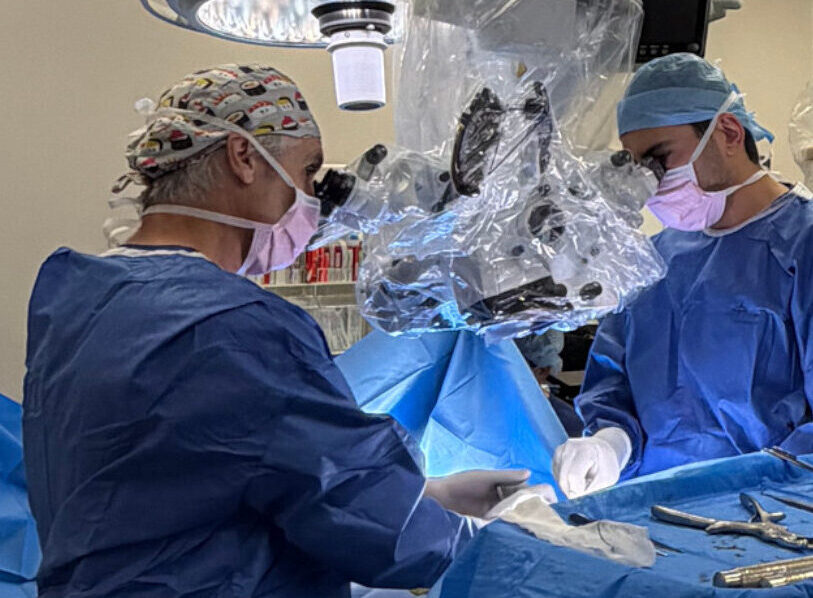
Dr David Edis and the surgical team performing spine surgery in theatre

Robotic guidance

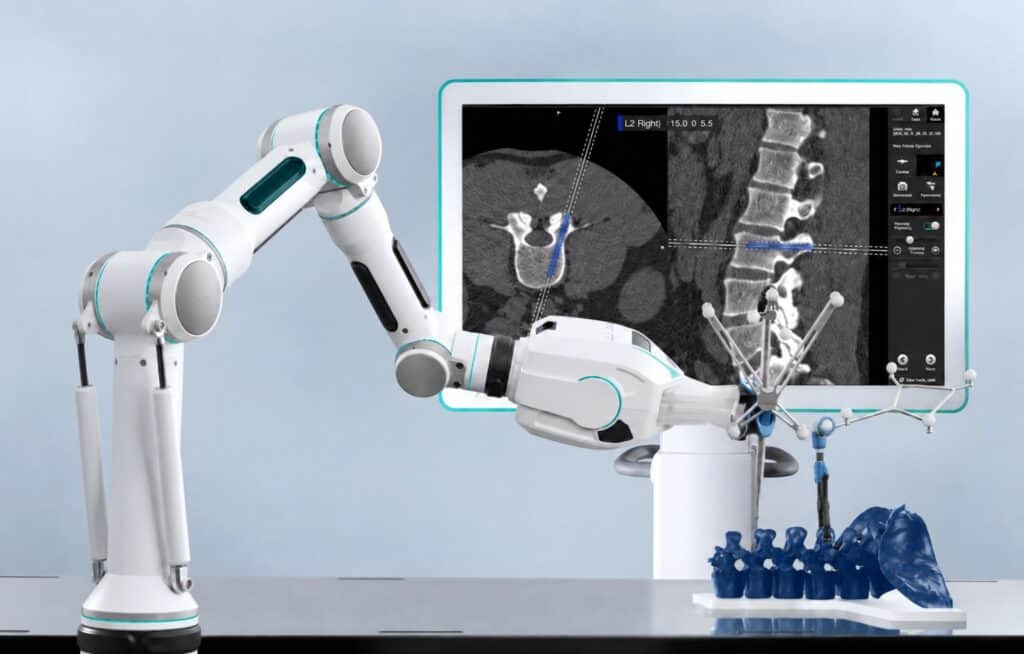
Robotic screw placement.

Dr Edis has access to the Globus GPS robotic system and the Mazor X Stealth robot from Medtronic. Scans of your spine are used to plan the operation in 3D before surgery, and the robotic arm then guides each screw to its planned position.

This reduces the need for X-rays during the operation and supports precise screw placement.

Surgical robot guiding spinal screw placement with navigation screen
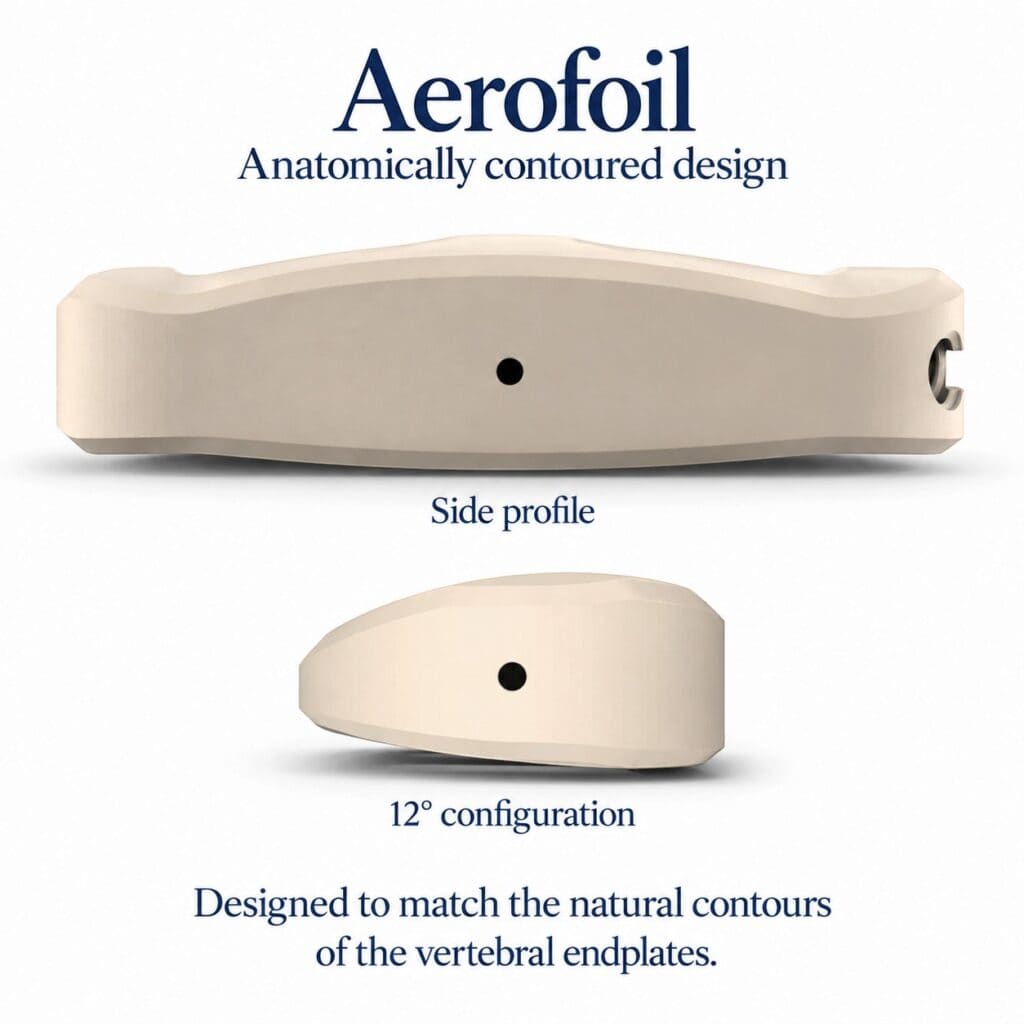
Aerofoil anatomically contoured spinal cage implant, side profile

Implant design

Aerofoil: an anatomically contoured cage.

During a spinal fusion, an interbody cage is placed between two vertebrae to restore the height of the disc space and support the bones while they fuse.

Aerofoil is designed to match the natural contours of the vertebral endplates, rather than the flat, wedge shape of a conventional cage. It is shown here in side profile and in its 12 degree configuration.
Aerofoil in detail

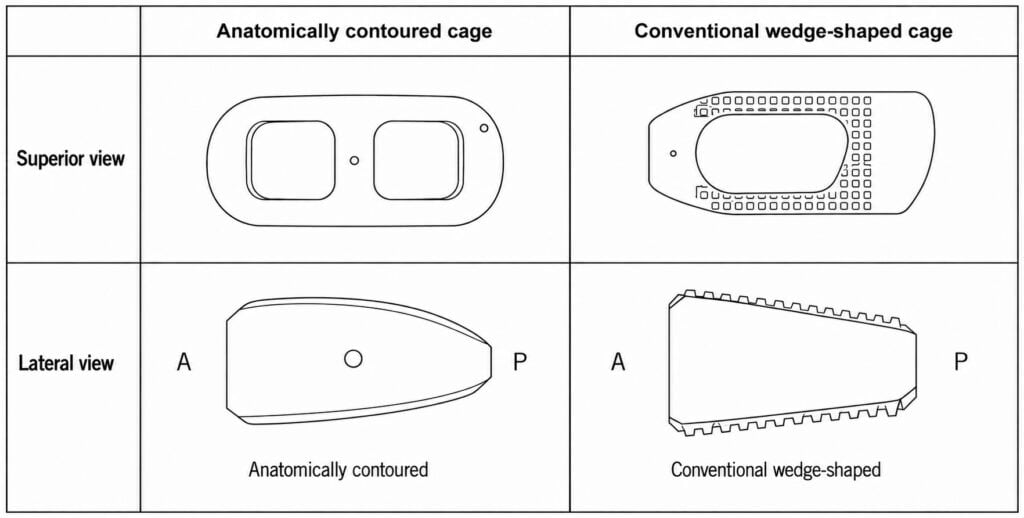
How the shape compares.

Seen from above and from the side, the Aerofoil cage follows the curved shape of the vertebral endplates. A conventional wedge-shaped cage has flat, angled surfaces.

At your consultation, Dr Edis will explain whether a fusion is right for you and which implant suits your anatomy.

Diagram comparing an anatomically contoured cage with a conventional wedge-shaped cage

Living with back, neck or joint pain?

Dr David Edis and the team at Victorian Orthopaedic Spine Service will assess your symptoms, explain your diagnosis and recommend the treatment that best suits you.