
Treatments and surgery
Hip replacement surgery.
The hip is a large ball and socket joint that allows movement between the pelvis and the femur. If the cartilage or bone in your hip has been damaged, everyday movements such as sitting and walking may become difficult.
Causes
Common causes of hip pain.
There are several causes of chronic hip pain but the most common are arthritis or trauma.
Osteoarthritis
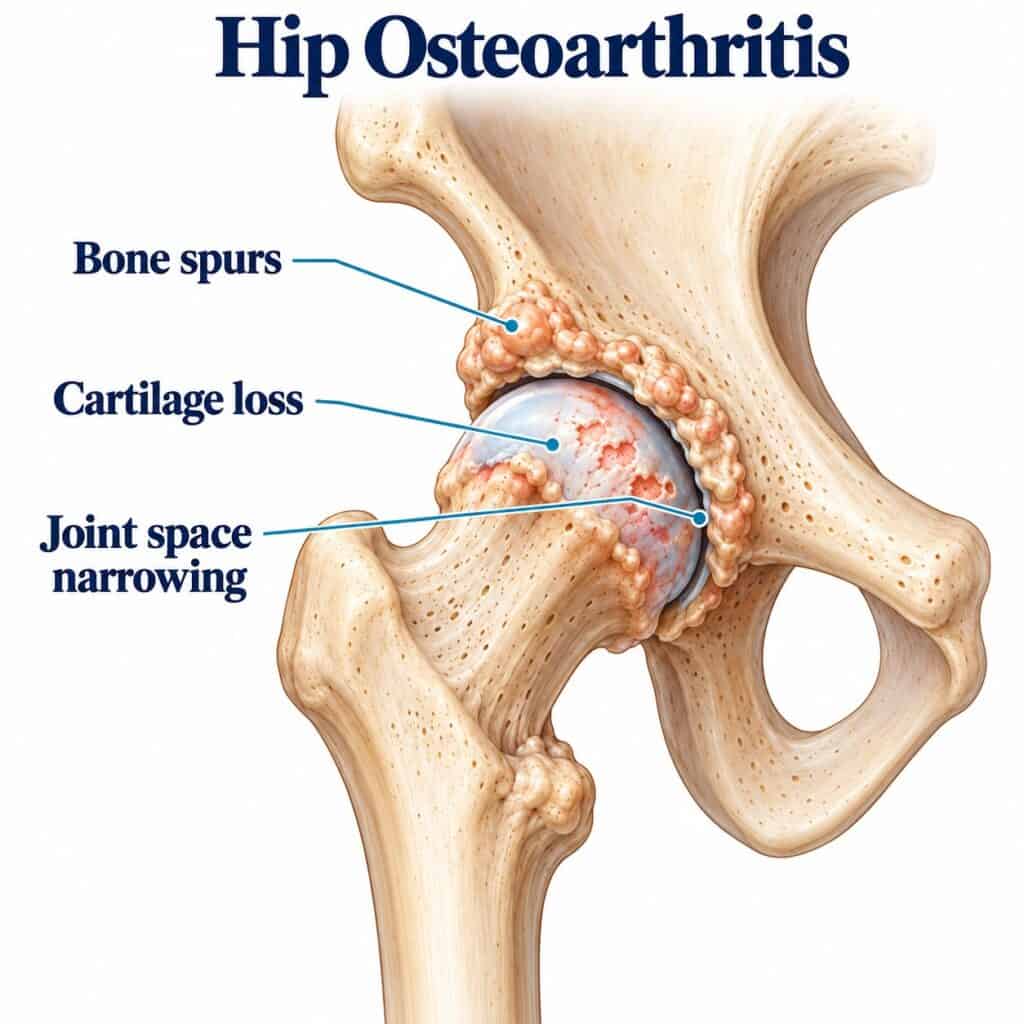
Normally occurs in people over the age of 50, as it relates to the wear and tear of the cartilage. As this cartilage wears away over time, the bones rub against each other causing stiffness and pain.
Post-traumatic arthritis
Following a serious injury or fracture, the cartilage in the hip can wear down or become damaged, leading to stiffness and pain in the joint.
Rheumatoid arthritis
An autoimmune condition which causes the synovial membrane surrounding the hip joint to become thickened and inflamed, damaging the cartilage and leading to pain and stiffness.
Osteonecrosis
Also known as avascular necrosis. An injury such as a dislocation or fracture can limit blood supply to the femoral head, which may cause its surface to collapse, resulting in arthritis.
Childhood hip conditions
If you had hip problems as a child, such as congenital hip dysplasia, it may affect the surface of your joints and still cause arthritis and pain as you get older.
When replacement is considered
Pain that does not ease at rest, pain affecting walking or bending, stiffness limiting leg movement, or pain not helped by anti-inflammatories, physiotherapy and walking aids.
Preparation
Preparing for hip replacement surgery.
Medical preparations
You may be asked to complete a medical evaluation with your GP to make sure there are no underlying health concerns that could impact your surgery or significantly increase your risk of complications. This may include blood tests, X-rays, urine samples and heart tests such as an electrocardiogram.
Your surgeon will work closely with your GP to manage your regular medications in the lead up to your surgery, advising which are safe to continue and which you will need to pause.
At-home preparations
Following your surgery there are some things you will not be able to do on your own — you may require assistance with cooking, laundry and shopping for several weeks. If possible, arrange for someone to stay with you. If you live alone, talk to your GP about arranging help at home.
The procedure
What is involved in hip replacement surgery?
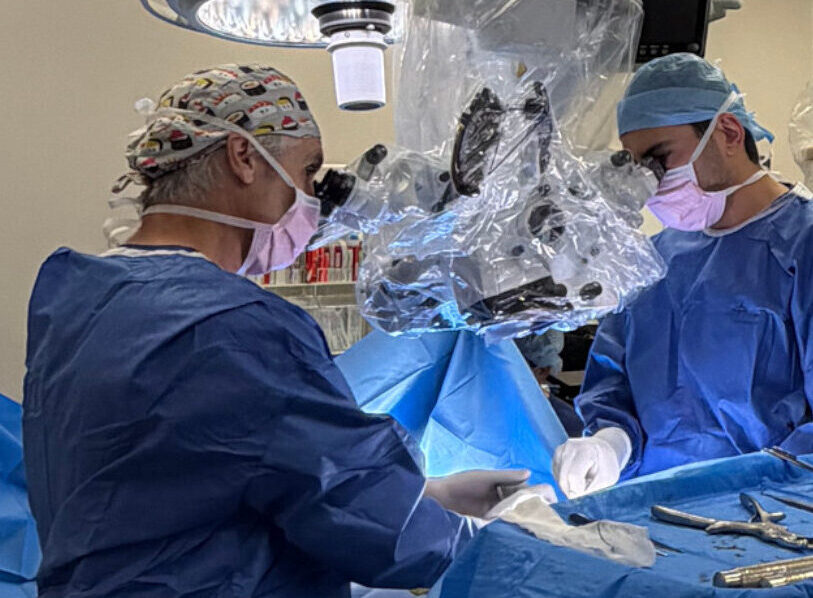
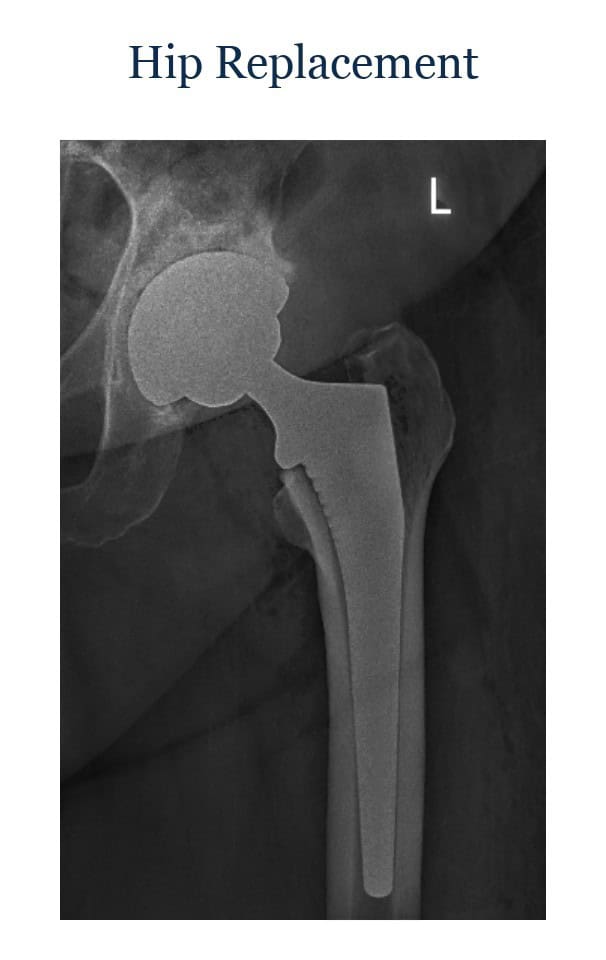
Hip replacement is usually done under general anaesthesia or a spinal block. A total hip replacement comprises four main steps, where prosthetic components of metal, ceramic and plastic replace the damaged cartilage and bone.
Removing the damaged ball joint
The worn or damaged femoral head is removed and replaced with a metal stem, implanted into the hollow centre of the femur.
Replacing the ball joint
A new ball joint, made of either ceramic or metal, is placed on the stem to replace the femoral head.
Replacing the damaged socket
The surface of the socket containing the damaged cartilage is removed and a metal socket, sometimes secured with cement or screws, is put in its place.
Replacing the damaged cartilage
A spacer made of ceramic, plastic or metal is placed between the metal socket and the new femoral head, allowing the ball and socket to glide smoothly.
Risks
Possible complications.
Most hip replacements proceed smoothly, but it is important to understand the potential complications.
Infection
Can occur any time after surgery, superficial to the wound or deeper around the prosthesis. Most minor infections are treated with antibiotics; severe cases may need further surgery.
Blood clots
Most common in the legs or pelvis, and can become life-threatening if they travel to your lungs or heart. Your surgeon will suggest a prevention plan including blood thinners, early movement and compression stockings.
Dislocation
As the muscles around the hip heal, the joint may separate. In most cases the ball can be returned to the socket without further surgery.
Loosening and implant wear
In the years following your replacement the implant may wear out or loosen, due to biological factors or everyday wear and tear. Revision surgery may be required if this becomes painful.
Recovery
Hip replacement recovery.
While each person will have their own unique recovery journey, generally you will be encouraged to get back on your feet as soon as you can. You will most likely be discharged from hospital within a matter of days, and your recovery will continue at home.
Medications
You may be prescribed pain medications and blood thinners to prevent clots. Keep talking to your GP and surgeon about your regular medications to minimise interactions or side effects.
Wound care
Follow your surgeon instructions about the incision site — keeping the area dry and clean, changing the dressing, and any specific instructions about showering. If the wound becomes red or inflamed, notify your doctor immediately.
Activity
For several weeks you may need walking aids. Remove tripping hazards from your home. Your care team will provide a rehabilitation plan and specific exercises to complete several times a day. Walking is one of the most important activities you can do, as movement in the joint may reduce stiffness.
How we can help
Over 15 years of orthopaedic experience.
Dr David Edis has over 15 years experience in orthopaedic surgery and has a special interest in reducing hip pain for his patients.
Dr Edis strongly believes in a multidisciplinary approach for the best possible outcomes, and works closely with your care team including your GP and physiotherapist.
Living with hip or knee pain?
Dr David Edis and the team at Victorian Orthopaedic Spine Service will assess your symptoms, explain your diagnosis and recommend the treatment that best suits you.
Get in touch
Contact our rooms.
Our reception team will help you arrange a consultation, answer questions about your referral and let you know what to bring on the day.
Reception hours: Monday to Thursday 9am–4.30pm, Friday 9am–2pm
Response time: within 1–2 business days
Preparing for your appointment →
Referrals
A current GP or specialist referral is required.
Request a consultation
Send us your details and our reception team will be in touch. We aim to reply within 1–2 business days. Fields marked with an asterisk (*) are required.
All information is general in nature. Patients should consider their own personal circumstances and seek a second opinion. Any surgical or invasive procedure carries risks.