
Oblique Lumbar Interbody Fusion (OLIF)

Illustration of an OLIF lumbar fusion highlighting the treated disc

Why I do it?

Why OLIF rather than other fusion techniques.

OLIF is a technique using the anterior to psoas approach to place an interbody cage and bone graft in the lumbar spine. The choice to place interbody cage and graft has to be made by the surgeon after considering multiple factors in the case concerned. An interbody cage is used to achieve fusion and restore interbody height and segmental alignment. Another theoretic advantage is that an anterior cage and graft in the lumbar spine will be loaded in compression during weight bearing and this can result in a more reliable fusion rate than posterolateral fusion used alone.

An interbody cage can be placed from a posterior approach (PLIF or TLIF). The posterior approach requires mobilisation and retraction of the dural sac and only allows for relatively small cages due to the access window being limited by the neural elements. Typically cage sizes of up to 14 or 15mm in height by 26mm long and 8mm wide can be placed with TLIF or PLIF. If the endplate is breached during disc removal or if the bone density is compromised then these small footprint cages can subside following surgery and lead to recurrent stenosis or deformity.

The amount of disc removed and surface area of endplate that is prepared for graft can also be limited and can be technically difficult in a degenerate disc stiffened by annular calcification or osteophytes. Overlying the disc there exists a venous plexus that often bleeds during the posterior approach and can make visualisation difficult as well as lead to significant blood loss if not controlled.

The transpsoas approach (DLIF and XLIF) can also be used to place an interbody cage that is much larger in width (typically 18-24mm) and length (typically 45-60mm) than the TLIF or PLIF cages. This allows for a larger contained graft volume and better coverage of the endplates. This approach is from the side and after separating the muscles of the abdominal wall, the retroperitoneal space is opened to gain access to the psoas muscle and then the disc. Multiple studies have demonstrated excellent interbody height restoration and fusion rates.

Read more

Spine pain in COVID-19

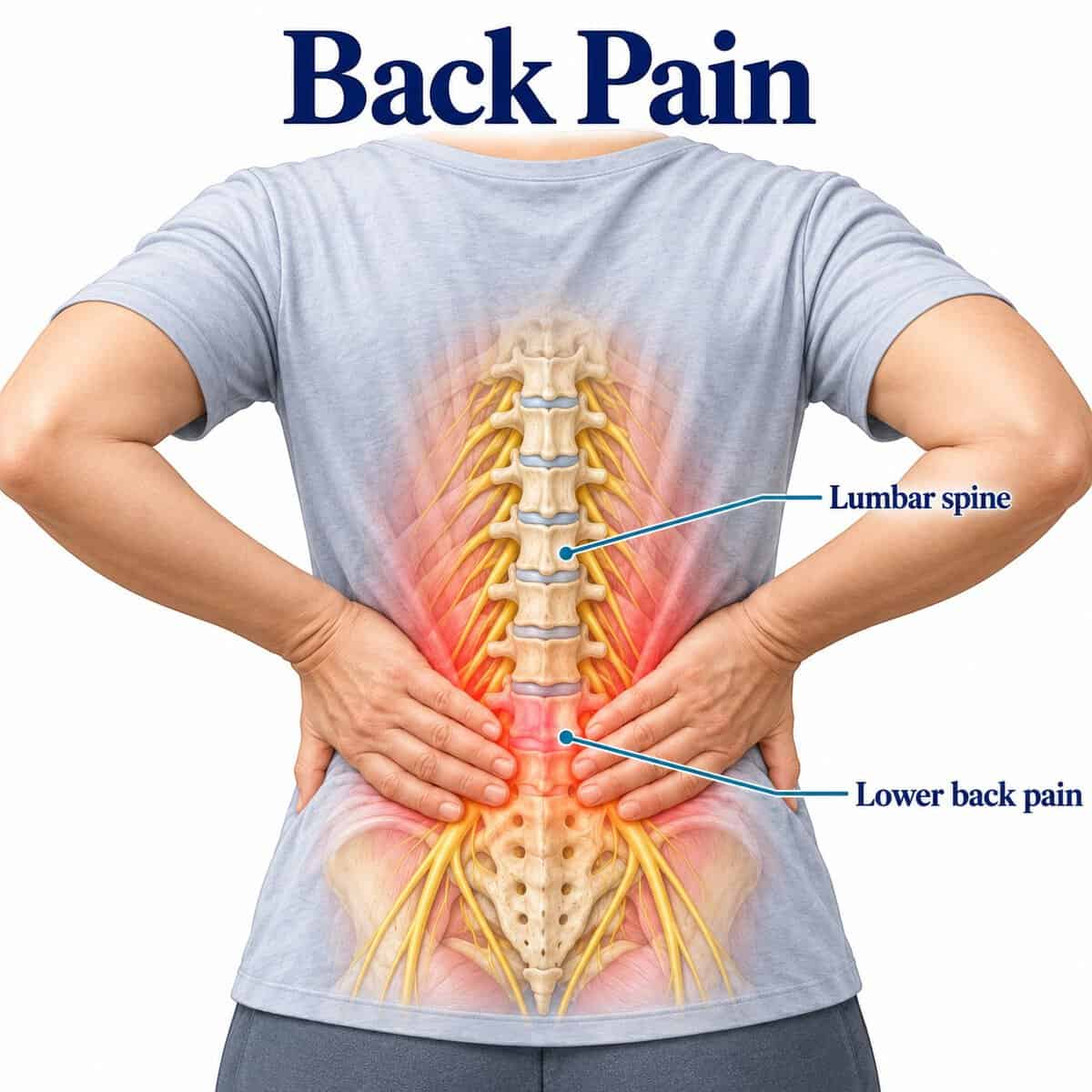
Illustration of the lower back showing common sources of back pain

5 Things you can do for spinal pain during the COVID-19 pandemic?

If you have had a flare up of spinal pain during the COVID-19 pandemic there are a number of things that can be done despite restricted access to the health system and social distancing. Many of us have found we have more time on our hands and we can use this time for making positive change. Spinal pain rarely means spinal surgery and there are more options than ever for less invasive options of treatment. In this blog I want to share what I think you can do for yourself.

i) Time is a great healer

The first thing to remember is that for many people with spinal pain there will be fluctuations in pain from day to day and month to month and many times flare ups will be self-limiting. Even if this is your first episode of severe spinal pain, in a number of days the pain is likely to settle. So be patient and stay calm. Being overly anxious about pain can exacerbate and prolong symptoms.

ii) Find your comfortable place

Most patients with spinal pain conditions can find some relief with certain postures or positions. If you find bending forwards painful, try lying face down and performing a back arch. If you find standing and walking painful then try lying with hips and knees bent. You can go to your comfortable place as often as you need to for 15-30mins in between other activities.

iii) Do something active everyday

Even if you have quite severe spinal pain, most people find being active helpful. You will find that you will be less active than usual but there will be some activities that you can do that do not aggravate your pain. If you have not been active for a while it is important to pace yourself with step wise reactivation. For example; If your activity is walking then you should plan to begin by walking a short distance that you know will not cause an exacerbation of pain and then plan to increase that everyday by a small amount so that you might double your distance in the first week and subsequent weeks.

If you have a set-back during the program then just reset your distances to remain within pain thresholds.

Read more

Patient care is surgeon’s primary consideration

Dr David Edis, orthopaedic and spine surgeon

Dr David Edis has been living and practising on the Mornington Peninsula for the past two years.
His passion for improving patient care included developing minimally invasive spinal surgery techniques in conjunction with surgeons worldwide. He is currently working with a pain management and multi-disciplinary team in Frankston to help solve complex pain issues.

New Updates in Spinal Surgery

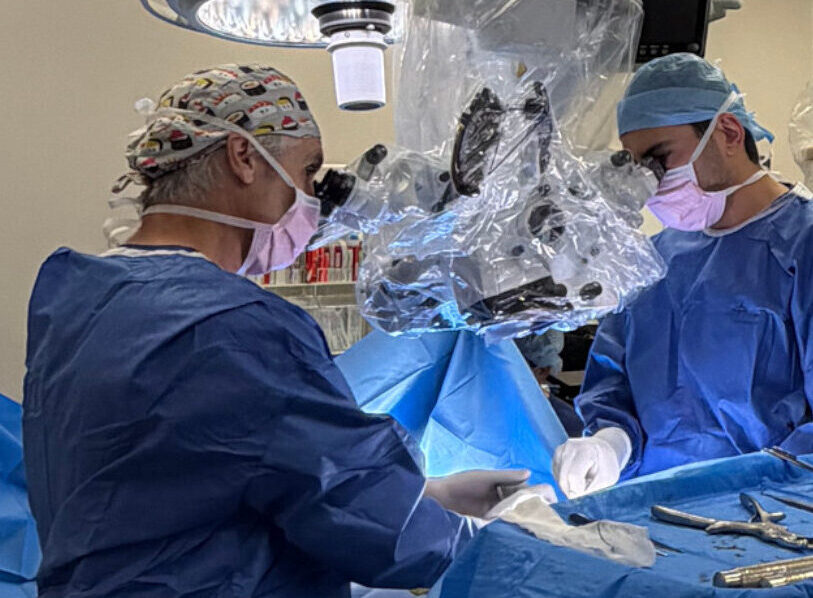
Dr David Edis and the surgical team performing spine surgery in theatre

A world-first operation using advanced software and clever robotics has demonstrated the benefits of a new approach to spinal surgery.
Last month, at The Valley Private Hospital in Melbourne, Dr David Edis used a breakthrough development in the Mazor Renaissance Robotic Guidance system to undertake an entire spinal operation with the patient lying on their side, reducing the time needed for the procedure.